

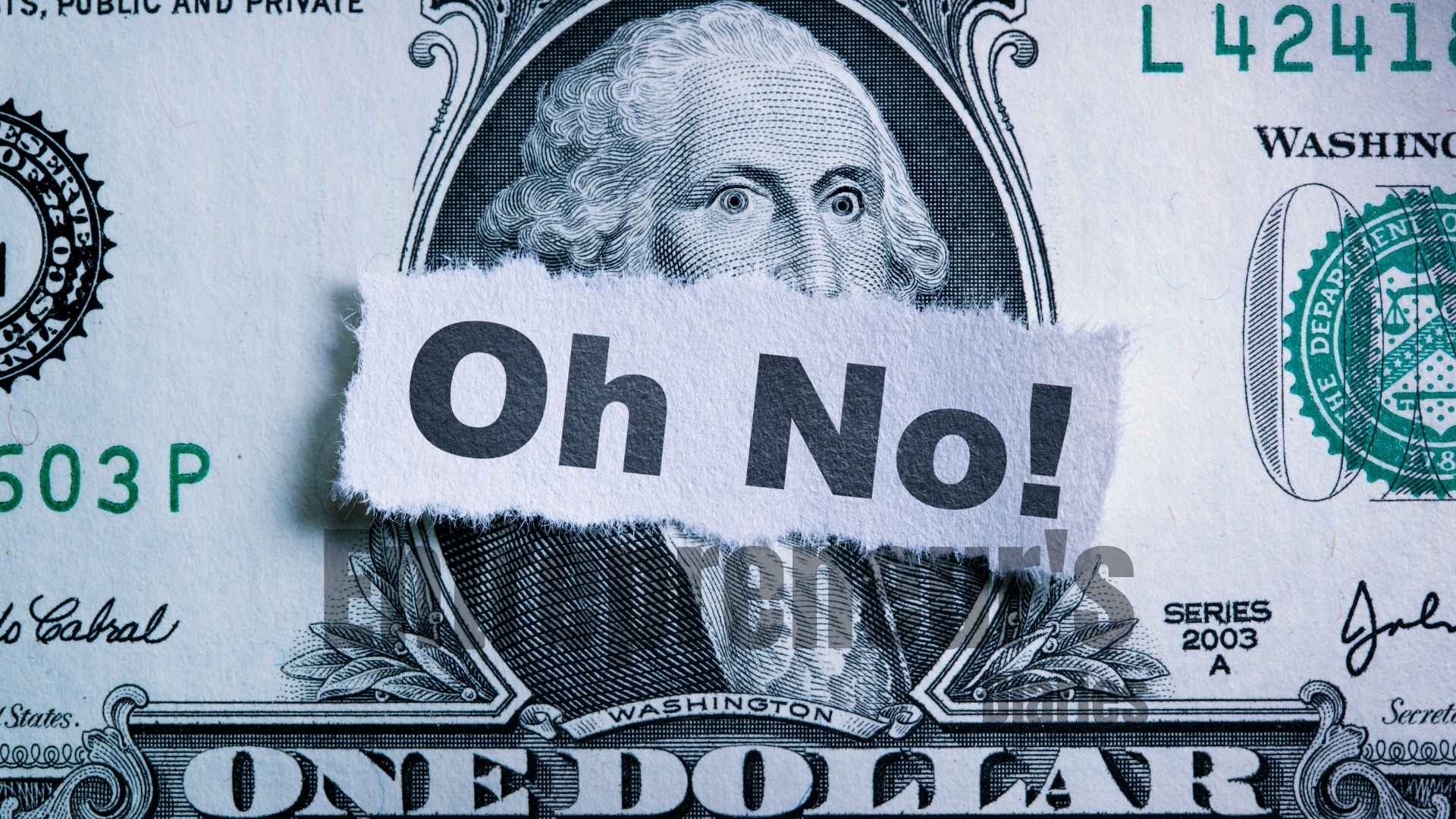
Ask any founder who’s had to shut the doors on a company they once believed would change the world, and you’ll hear the same regretful refrain: “We didn’t run out of ideas, we ran out of money.” That blunt reality, echoed in data from Investopedia showing that 90 percent of startups fail largely due to poor financial management and weak market research, cuts deeper than any pitch-deck optimism.
- Cash Flow: The Killer You Don’t See Coming
- Costs Always Come in Higher
- Scaling Too Soon, Burning Too Fast
- The Personal-Business Blur
- Raising Money Too Early, Too High
- The Hidden Truth of Customer Acquisition
- Biases and Bad Judgment
- Flash Before Substance
- Why These Mistakes Matter Beyond One Company
- A Hard Checklist for Survival
Cash Flow: The Killer You Don’t See Coming
Cash flow is not a line item, it is lifeblood. Founders get dazzled by revenue projections, term sheets, or even social media buzz, but cash is the one metric that doesn’t lie. A company can have a packed pipeline, yet if payments arrive late or burn rate outpaces runway, the lights go dark. Accountancy Cloud has documented case after case where businesses collapsed not because the idea was bad, but because money simply wasn’t in the bank when it needed to be.
Costs Always Come in Higher
Every founder underestimates costs. It’s practically a rite of passage. Salaries, benefits, compliance fees, marketing, office leases, they all creep higher than planned. HubSpot’s research points to an almost universal optimism among first-time founders that “lean” operations will save them. But the optimism rarely matches reality. And when rosy revenue assumptions meet ballooning expenses, the result is fatal.
Scaling Too Soon, Burning Too Fast
There’s a certain swagger that comes with closing a funding round. Money hits the account, and suddenly scaling feels inevitable. Bigger sales teams, splashy marketing campaigns, maybe even international expansion. But David Owasi, who chronicled his own startup missteps on Medium, admits scaling before true product–market fit was the most expensive lesson of his career. Growth amplifies problems. If customers don’t already love the product, scaling just accelerates failure.
The Personal-Business Blur
Plenty of founders fall into the trap of treating company money like a personal wallet. It’s not always malicious. Sometimes it’s convenience: one credit card for everything. But StartupGrind warns that blending personal and business accounts creates chaos with taxes and makes it nearly impossible to measure runway properly. Worse, it signals to investors that the founder may not have the discipline required to handle larger sums.
Raising Money Too Early, Too High
Fundraising mistakes don’t always show up immediately. They lurk. Pitching Angels notes that founders who raise at inflated valuations saddle themselves with expectations they can’t meet. When growth stalls, they face the humiliation of a down round or the desperate scramble of survival financing. MyStartupCFO adds that raising too early is equally dangerous. It commits a founder to growth targets before the business has even stabilized.
The Hidden Truth of Customer Acquisition
Ask a founder their CAC and you’ll often get an answer that only includes ad spend. The hidden costs—marketing salaries, commissions, design resources—rarely make it into the calculation. Allied.vc has flagged this repeatedly, noting that faulty CAC math inflates unit economics and blindsides founders later. By the time the real number surfaces, the company may already be locked into an unsustainable model.
Biases and Bad Judgment
Even seasoned founders aren’t immune to psychological traps. The sunk cost fallacy is brutal: you’ve poured six months of payroll into a product, so you keep throwing money at it, convinced that one more push will turn things around. Wikipedia’s entry on startup psychology outlines how overconfidence, illusion of control, and escalation of commitment twist decision-making. These are not abstract concepts. They are the quiet voices that convince founders to gamble capital they cannot afford to lose.
Flash Before Substance
One of the most visible money sins is the vanity office. HubSpot has highlighted examples where early funding went straight into high-rent downtown spaces, designer furniture, or premature hires. The theory is to impress recruits and clients. The outcome is a shorter runway and a crushing fixed cost base. More than one founder has learned too late that substance, not style, keeps a startup alive.
Why These Mistakes Matter Beyond One Company
When startups implode from self-inflicted financial wounds, the damage ripples. Investors become more cautious. Future founders face tougher fundraising conditions. Markets, already skeptical, lose patience with what they see as founder recklessness. In this climate, capital is still flowing, but the leash is shorter and the bar higher.
A Hard Checklist for Survival
The fundamentals aren’t glamorous, but they separate survivors from casualties:
- Track cash flow daily, not quarterly.
- Budget for worst-case costs, not best-case dreams.
- Don’t scale until customers prove loyalty.
- Keep your money and the company’s money separate.
- Time fundraising to milestones, not desperation.
- Calculate CAC honestly, with every hidden cost included.
- Cut projects when they don’t work, no matter what’s already spent.
- Fight your own overconfidence.
For founders, the grind isn’t just about building products or pitching investors. It’s about mastering the discipline of money when the easy thing is to spend. In a world where nine out of ten ventures will die, financial discipline isn’t a side skill. It is the difference between building a company and writing a cautionary post-mortem.
Connect With Us On Social Media [ Facebook | Instagram | Twitter | LinkedIn ] To Get Real-Time Updates On The Market. Entrepreneurs Diaries Is Now Available On Telegram. Join Our Telegram Channel To Get Instant Updates.

Tokyo-based CFA translating global markets into clear insights for modern entrepreneurs.