

Tokyo, May 11, 2026: Nintendo’s stock closed down 8.4% in Tokyo on Monday. Seven thousand and twenty yen. The lowest it has traded since August 2024.
Down 34% for the year.
What is strange about all of this is that Nintendo just had a genuinely good year. The Switch 2 sold nearly 20 million units in its first fiscal year. Operating profit jumped 27.5%. Revenue crossed 2.31 trillion yen. Mario Kart World alone sold 8.85 million copies.
And yet. Monday happened.
The Price Hikes Are the Trigger. They Are Not the Real Problem.
On Friday, Nintendo confirmed it was raising Switch 2 prices across its main markets.
Japan goes from 49,980 yen to 59,980 yen starting May 25. The US moves from $449.99 to $499.99 in September. Europe follows a nearly identical path, climbing from 469.99 euros to 499.99 euros on the same date. Canada is also getting revised pricing.
The company blamed rising memory chip costs and tariff pressure. According to Reuters, those two factors alone are expected to add nearly 100 billion yen in costs this fiscal year.
The AI infrastructure buildout has driven memory prices to places nobody predicted two years ago. Every consumer electronics company with DRAM exposure is dealing with it right now. Nintendo is not unique in feeling the squeeze.
So the price hike is understandable. Defensible, even.
But raising the price of a Nintendo console is not purely a margin decision. It is a signal about who the company believes its audience is. And right now, with a software lineup that raises more questions than it answers, that signal landed in the worst possible way.
The Market Is Unhappy Despite Nearly 20 Million Units Sold
That disconnect deserves a moment.
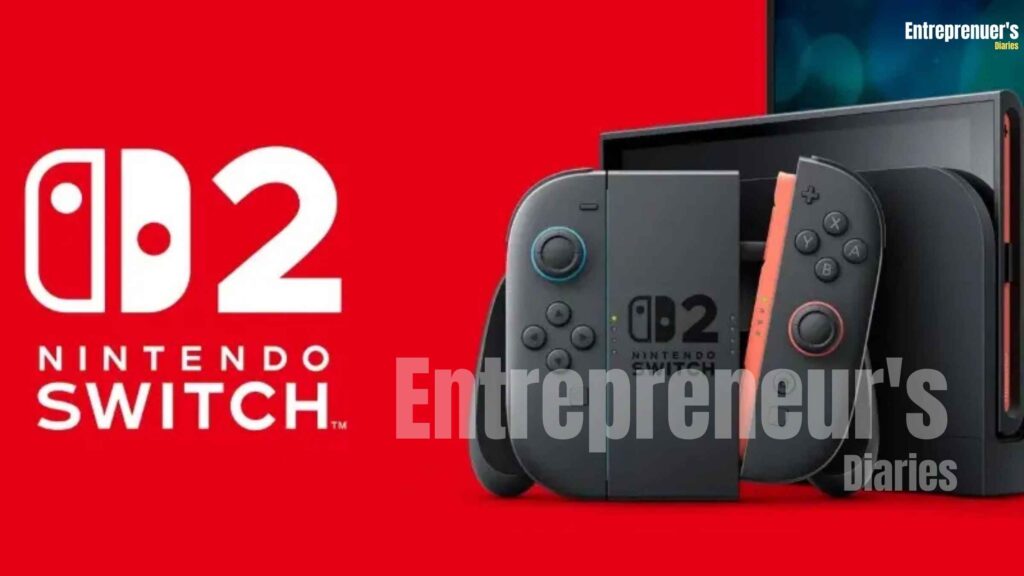
Switch 2 outpaced the original Switch’s launch trajectory. Total platform software hit 48.71 million units across the fiscal year. Donkey Kong Bananza found its audience. Pokemon Legends performed. These are real sales from real people who wanted the product.
Nintendo’s dedicated video game platform business generated 2.23 trillion yen in revenue during FY2026. Consolidated net sales reached 2.31 trillion yen. Operating profit climbed 27.5% year-over-year to 360.1 billion yen.
Those are not the numbers of a company in trouble.
Then Nintendo released its guidance for the year ahead: 16.5 million hardware units and 60 million software copies. Both figures came in below what analysts had modeled. And the market, which had been willing to be patient, stopped being patient.
Industry analyst Daniel Ahmad read the situation clearly on X, noting that the combination of a price increase, a lower hardware forecast, and zero visibility on the software pipeline was what actually spooked investors. He added that he personally thought the concern was somewhat overblown.
Maybe. But markets do not trade on nuance when three uncertainties arrive at the same time.
Here Is the Part That Actually Matters
The original Switch did not sell 150 million units because of its hardware.
It sold because Nintendo kept releasing things people genuinely had to play.
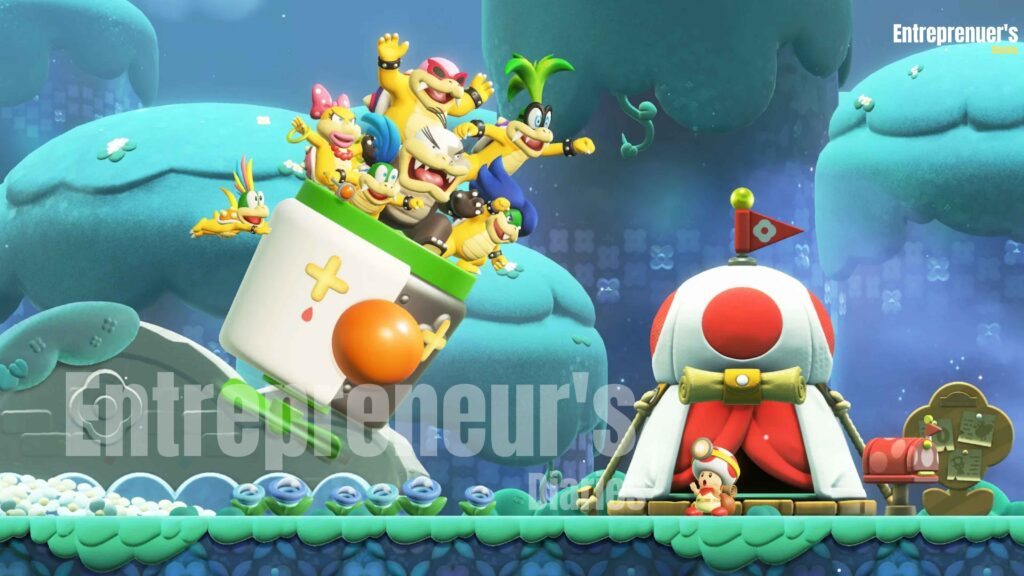
Breath of the Wild at launch. Super Mario Odyssey six months later. Super Smash Bros Ultimate the year after that. Animal Crossing: New Horizons in 2020, which moved over 40 million copies into a world that had suddenly run out of things to do.
The library was relentless. It gave people a reason to stay attached to the device long after the novelty of the form factor wore off. That is the real product Nintendo sells: the feeling that there is always something worth coming back for.
The Switch 2 is heading into its second year and the big unanswered question is what that looks like this time around.
Reports from multiple industry sources suggest the next major 3D Mario title is not expected until 2027. That would put nearly a decade between Super Mario Odyssey and whatever comes next in that lineage.
A Legend of Zelda remake is apparently being positioned as a possible 2026 holiday centrepiece. Zelda remakes sell. That part is not in dispute. But a remake is not the same cultural event as a genuinely new flagship release, and anyone who has watched console cycles closely knows the difference in how the market responds.
Morningstar analyst Kazunori Ito raised exactly this concern, suggesting reduced expectations from Nintendo may reflect limited confidence in near-term first-party releases.
That is a polite way of saying the pipeline looks thin.
The Audience That Built the Original Switch Is the One at Risk
Nintendo has always played to two crowds. The devoted gaming community that pre-orders on announcement day, watches every Nintendo Direct like a sporting event, and will pay whatever the hardware costs.
And then everyone else.
Everyone else is the bigger crowd.
Families buying a console for a child’s birthday. Adults who do not identify as gamers but found something genuinely approachable about a $299 device they could play on the couch, on a plane, or hand to a kid for a long drive. Teenagers who might choose a Switch over some other discretionary purchase.
That second group drove an enormous share of the original Switch’s volume. And it is precisely the group most sensitive to a price increase.
At $499.99 in the United States, the Switch 2 is no longer sitting on the approachable shelf. It is on the premium shelf. That is a fundamentally different purchase conversation at a kitchen table or inside a Best Buy. You stop comparing it to other Nintendo options and start weighing it against everything else in that price range.
Nintendo’s brand is strong enough to survive a price increase. The question is whether it is strong enough to survive a price increase at the same moment the software calendar has visible gaps.
That is the combination the market is reacting to. Not either thing alone.
What Third-Party Developers Are Watching
There is a quieter dimension to the software concern that does not get enough attention.
Third-party developers make platform decisions based on install base size and growth trajectory. When a console is selling 20 million units a year and the software attach rate is healthy, publishers want to be on that platform. It makes commercial sense.
When the hardware forecast drops and first-party visibility fades, those same publishers start recalibrating. Not dramatically, and not immediately. But the conversations in development studios shift.
The original Switch benefited enormously from third-party support in the middle years of its lifecycle. Ports, exclusives, and multiplatform releases kept the library feeling full even in quarters when Nintendo’s own slate was lighter.
If third parties begin hedging on Switch 2 commitment because the install base growth looks uncertain, the software gap gets harder to fill from first-party alone.
Nintendo needs a strong second year not just for its own releases, but to maintain the platform confidence that keeps the broader development ecosystem invested.
The Tariff Reality Is Not Going Away
This part of the story gets less attention than it deserves.
Nintendo’s cost pressure is not a one-time event. Tariffs are not disappearing on any timeline that helps a consumer hardware business planning product cycles two and three years out.
Memory costs may eventually stabilize. But the structural unpredictability of global supply chains is now baked into the operating environment for the foreseeable future.
Every major hardware manufacturer with East Asian supply chain exposure is running the same calculation Nintendo ran last week. Some will absorb cost internally. Some will cut specs. Some will raise prices and lean on brand strength to carry the gap.
Nintendo chose to raise prices. With the brand equity it has accumulated over decades, that choice is defensible. But the casual buyer standing in a store does not walk in thinking about brand equity. They walk in thinking about the number on the tag.
If tariff pressure continues to build across the supply chain, and there is every reason to expect it will, Nintendo may not be done adjusting prices. That is the longer-term concern sitting beneath Monday’s sell-off.
A Company That Has Survived Worse Than This
Worth being direct about: Nintendo has done this before and come back stronger.
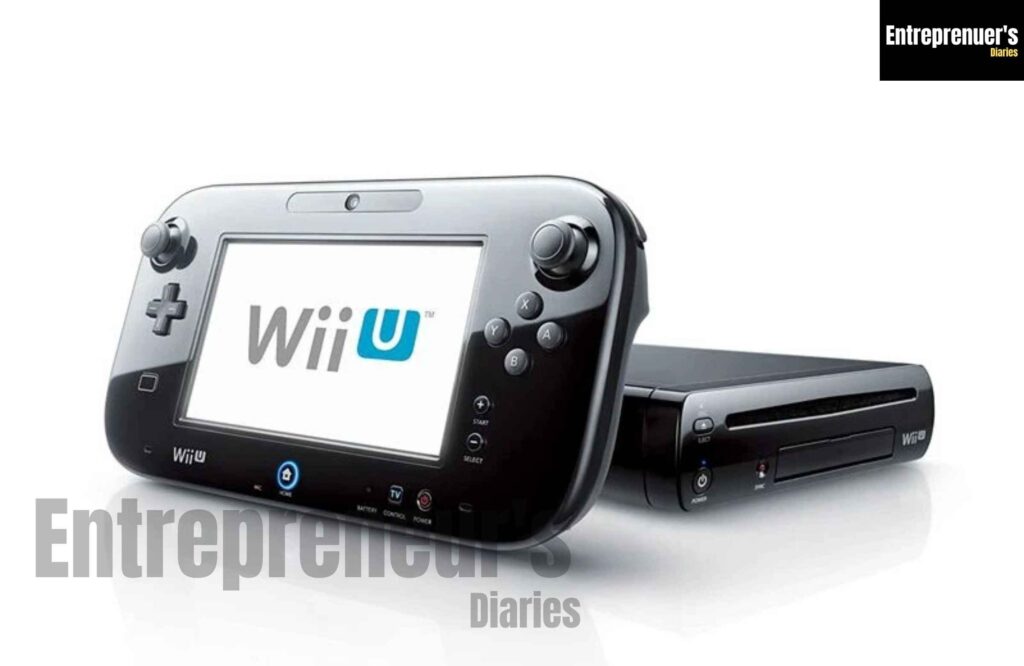
The Wii U failed. Not partially. It failed in the fundamental sense, with a value proposition the market never understood and a software library that could not hold an install base together long enough to matter. Nintendo responded by building the original Switch, which became one of the most successful consumer products in the company’s century-long history.
The 3DS launched at a price the market outright rejected. Nintendo cut it, issued an apology to early adopters in the form of free games, and the platform recovered to sell over 75 million units across its lifetime.
The GameBoy survived the launch of competing hardware that looked technically superior on paper. The DS survived the PSP. Nintendo has a long institutional memory for adversity and an unusual creative culture that seems to respond well when the pressure is genuinely real.
There are people in Kyoto who have navigated worse cycles than this one. That matters.
But every one of those recoveries was built on software. The hardware was rarely the reason people stayed. The games were the reason. That dynamic has not changed. It will not change. And until Nintendo commits to a clearer picture of what its first-party slate looks like for the next eighteen months, some portion of investor anxiety is going to sit in the background of every earnings update.
What Founders and Operators Should Take From This
The Nintendo situation is a clean example of something that applies well beyond gaming.
Platform businesses live or die on content cadence. The hardware is the entry point. The content is the reason people stay. And when content momentum slows at the same moment pricing goes up, the audience that was most on the fence makes a quiet decision to wait.
Waiting is the worst outcome for a platform business. A customer who waits is a customer who might find something else in the meantime.
Nintendo knows this better than almost any company on the planet. Which is exactly why the current software calendar ambiguity is so unusual. The company typically works hard to maintain the perception of momentum even when the actual release slate has gaps.
Right now, that perception is not holding. And the market is responding accordingly.
Q. How much did Nintendo shares fall and where does that leave the stock?
Shares closed 8.4% lower at 7,020 yen in Tokyo on May 11, the lowest price since August 2024. The stock had already fallen roughly 34% during 2026 before Monday’s session added to the damage.
Q. What drove the Switch 2 price increases?
Nintendo cited a surge in memory chip costs linked partly to AI infrastructure demand, combined with ongoing tariff pressure affecting cross-border component sourcing. The company expects these two factors to add nearly 100 billion yen in costs this fiscal year alone.
Q. How well has the Switch 2 actually performed so far?
Solidly. The console sold 19.86 million units in its first fiscal year, outpacing the original Switch’s launch trajectory. Total platform software reached 48.71 million units. Mario Kart World alone moved 8.85 million copies. The underlying results are strong. The concern is the outlook, not the history.
Q. What exactly is missing from Nintendo’s software calendar?
The main concern is the absence of a confirmed major first-party release for the console’s second year. Reports suggest the next flagship 3D Mario title may not arrive until 2027. The pipeline appears to lean toward remakes and franchise revivals rather than new, system-selling originals that historically drive hardware adoption.
Q. Should investors be worried or is this a temporary overreaction?
Both readings are defensible at this stage. Nintendo’s fundamentals remain healthy, its guidance has historically been conservative, and the brand has survived far worse cycles. But the casual audience that drove the original Switch to 150 million units sold is price-sensitive, and a thin software slate in year two puts real pressure on adoption numbers regardless of how strong the brand is.
Where This Ends Up
Nintendo built something with the original Switch that most gaming companies spend a decade trying to replicate and never quite manage.
The Switch 2 came out strong. The sales were real. The momentum was real.
Then came the price increases, the cautious guidance, and the software questions nobody at Nintendo has answered in any satisfying detail yet.
Monday’s sell-off was probably steeper than the underlying data justifies. Nintendo will likely beat its own projections by year-end. A major game announcement will come at some point and remind people why this platform exists.
But there is a version of the next eighteen months where the pipeline stays thinner than it should, the casual buyer decides to wait, and the company has to work harder than expected to rebuild the sense of inevitability that surrounded the original Switch at its peak.
That is the risk sitting in the stock right now. It is not irrational. And it will not go away until Nintendo shows its hand.
Connect With Us On Social Media [ Facebook | Instagram | Twitter | LinkedIn ] To Get Real-Time Updates On The Market. Entrepreneurs’ Diaries Is Now Available On Telegram. Join Our Telegram Channel To Get Instant Updates.

Isabella is a global business journalist and former McKinsey analyst from Brazil. She brings sharp insights on economic shifts, policies, and founder journeys from around the world.

Tokyo-based CFA translating global markets into clear insights for modern entrepreneurs.